Gin & Tonic, The Cocktail That Saved British Soldiers and Conquered the World

Sophia
Updated 10/26/2024
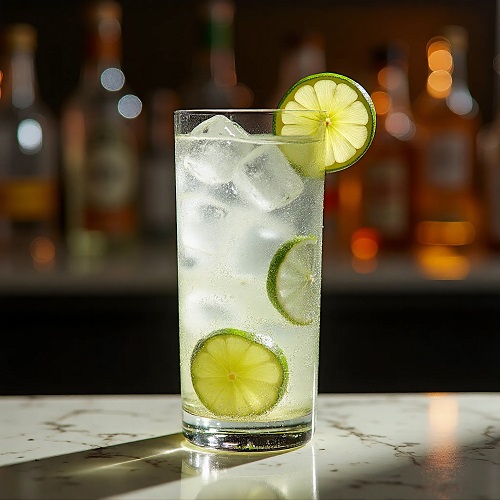
I. The "Hidden Master" of the Cocktail World: So Simple It's Absurd, So Classic It's Eternal
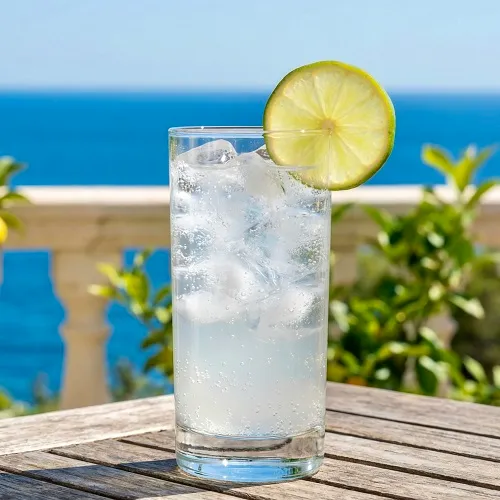
Here's to the evergreen couple of the cocktail world: the Gin & Tonic. Crisp, Bubbly, Juniper-bright. When you're looking for a simple, elegant, refreshing and effortless drink, this is the perfect choice. Whether you're dreaming of sun-drenched terraces, an aperitif before dinner, or just a reliable drink that won't let you down, the Gin & Tonic steps up with a wink and a lime wedge.
II. The Origin of Gin & Tonic: From Survival Tonic to Cultural Icon
The birth of the Gin & Tonic is nothing short of a medical miracle.
In the 19th century, British soldiers stationed in India were plagued by malaria. Quinine, the key ingredient in tonic water, was effective against the disease, but tasted horribly bitter. So the soldiers had a stroke of genius: "Just add gin!" After all, what problem can't be solved with a drink? And if it can't, just squeeze in a slice of lemon.
This "medicated booze" accidentally unlocked a new realm: bitter quinine + spicy gin + zesty citrus = life-saving and delicious! Eventually, the British aristocracy caught on: "This stuff's way more exciting than afternoon tea!" So the Gin & Tonic made its way from field hospitals into high society, becoming a must-have for elegant socializing.
III. The Formula: Where Science Shakes Hands with Art 📋
Ingredients (1 serving)
| Component | Quantity | Pro Tips |
|---|---|---|
| London Dry Gin | 50ml | Opt for Tanqueray/Beefeater for authenticity |
| Premium Tonic | 150ml | Fever-Tree or Schweppes for optimal fizz |
| Lime Wheel | 1-2 | Squeeze juice before garnishing |
| Ice Cubes | As needed | Make you cool |
Mixology Ritual (Classic Method)
- Chill the Glass: Use highball glass with ice cubes, swirl to frost
- Layered Perfection: Pour gin first, tilt glass while slowly adding tonic to preserve bubbles ,and gently stir
- Citrus Alchemy: Express lime oils over drink, rub rim before dropping in
IV. Decoding the Gin & Tonic's Timeless Appeal: More Than Just a Drink, It's a Way of Life 🕵️♂️
From Medicine to Must-Have
Who would've thought a malaria remedy would turn into a go-to for clubbing, late-night work sessions, or catching up with besties? This shows us that: Sometimes the bitterest beginnings lead to the most refreshing outcomes.Minimalist Mastery
The Gin & Tonic proves true elegance needs no embellishment. Like a perfectly tailored suit, its magic lies in balance: juniper's piney notes dancing with quinine's bitterness, lifted by citrus brightness.The Ultimate Social Lubricant
Awkward date? Gin & Tonic in hand, and you're set: from "the antimalarial mechanism of quinine" to "the dark side of British colonialism", or from "gin distillation methods" to "lime-growing regions". One drink, and you'll come off as someone with stories to tell.
Fun Facts
- Tonic Water Glows: Under UV light, tonic water glows blue due to its quinine content. This makes it the perfect drink for both preventing malaria and raves.
- Modern Tonics Contain Very Little Quinine: You'd have to drink about 67 liters of modern tonic water to get a therapeutic dose. Don't try this at home.
- There's a Gin & Tonic Day: World Gin and Tonic Day is celebrated on April 9th. As if we needed an excuse.
Frequently Asked Questions About the Gin & Tonic cocktail(FAQs) 🕵️
1. What is the ideal ratio of gin to tonic?
A common guideline is one part gin to two or three parts tonic, but feel free to experiment until your tastebuds say "yes".
2. What garnish should I use for my Gin & Tonic cocktail?
The classic is a lime wedge. But you're absolutely allowed to be rebellious and grab orange, cucumber, rosemary or even a slice of ginger. The garnish is basically your cocktail's hat.
3. Does tonic water still contain the antimalarial substance quinine?
It does contain quinine but in much lower doses than in the original medicinal mixes. So yes you're getting the vibe of the colonial era, but no you're not outsmarting mosquitoes for next week.
4. What gin should I use for my Gin & Tonic cocktail?
This depends on your taste preferences and budget. London Dry gins like Tanqueray or Beefeater deliver classic juniper forward flavors. Contemporary gins offer more creative botanical profiles.
5. Can I make a Gin & Tonic cocktail ahead of time?
You technically can, but you probably shouldn't. The carbonation dies faster than enthusiasm at a Monday morning meeting. The ice melts and dilutes everything. Make your Gin & Tonic cocktails fresh, or make them wrong. Those are essentially your options.
6. Why does my Gin & Tonic taste bitter?
Too much tonic or old tonic water causes excessive bitterness. Tonic water loses carbonation and gets more bitter over time once opened. Also, some tonic brands simply taste more bitter than others. Try a different tonic or add a little simple syrup to balance things out.
7. What foods pair well with a Gin & Tonic?
The Gin & Tonic's versatility makes it an excellent food companion. It pairs wonderfully with seafood, especially oysters and ceviche. Salty snacks like olives and nuts complement the botanical notes. Light appetizers, salads, and Mediterranean dishes work beautifully. Basically, if it tastes good with white wine, it probably tastes good with a Gin & Tonic.
8. Can I drink Gin & Tonic year round?
Absolutely. While it's often considered a summer drink, the G&T works in any season. The only wrong time to drink a Gin & Tonic is when you've already had too many.
9. Can I make a non-alcoholic version of Gin & Tonic?
Yes, you absolutely can make a Non-Alcoholic Gin & Tonic, it often called a "mocktail" or "zero-proof G&T". Use a good quality non-alcoholic gin alternative to mimic the juniper & botanical profile of gin.
References:
[1]: https://en.wikipedia.org/wiki/Gin_and_tonic
[2]: https://www.wineenthusiast.com/recipe/gin-tonic-history/
[3]: https://www.beefeatergin.com/en/blog/the-history-of-the-gin-tonic/