🍸 The Martinez Cocktail: Liquid Amber That Shook Cocktail History

Sophia
Updated 10/29/2024
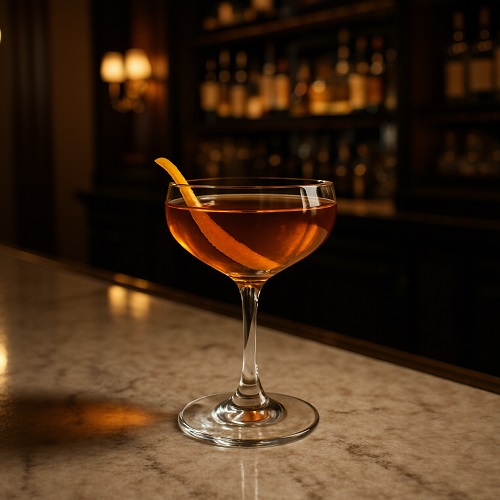
The Rebellious Son of Manhattan and the Lavish Father of the Martini 🍹
If cocktails had a family tree, the Martinez would definitely be one of those "once-wealthy ancestors." It carries the whiskey DNA of the Manhattan while bequeathing gin to the Martini. It can be called a key mutant in the history of cocktail evolution.
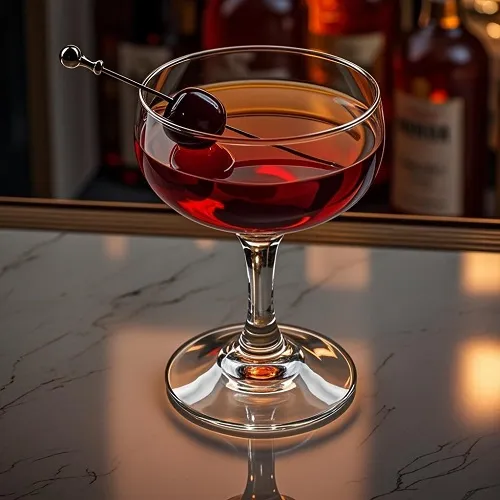
This amber liquid is like a charming rogue: it greets you with the sugary sweetness of vermouth, teases with seductive hints of black cherry in the middle, and finishes with the assertive herbal punch of gin.
The Origin of the Martinez cocktail 📜
Like many classic cocktails, Martinez has its own myth and controversial origins.
- One story gives credit to the legendary bartender Jerry Thomas, who may have invented it while working at San Francisco's Occidental Hotel in the late 1860s.
- Another story says the cocktail was created in or for the town of Martinez, California, by a saloon bartender there.
- The first documented appearance of a recipe (or at least a mention) comes from O.H. Byron's The Modern Bartender's Guide (1884), where the Martinez is described simply as: "Same as Manhattan, only you substitute gin for whisky".
- In 1887, Jerry Thomas's The Bar-Tender's Guide included a more specific recipe calling for Old Tom gin, vermouth, maraschino liqueur and bitters.
Martinez Cocktail Ingredient List 📋
| Ingredient | Measurement | Pro Tip |
|---|---|---|
| London Dry Gin | 1.5 oz | The original version uses Old Tom Gin, but dry gin works too. |
| Sweet Vermouth | 1 oz | Carpano Antica Formula for depth |
| Maraschino Liqueur | 0.17 oz | Luxardo recommended |
| Orange Bitters | 2 dashes | Angostura preferred |
| Orange Twist | 1 | Express oils, don't just garnish |
| Ice | As needed | The colder, the better |
How to Make a Martinez Cocktail 🧪
- Send your coupe glass to Antarctica (-18°C/0°F freezer for 10+ mins)
- Add gin → vermouth → maraschino → bitters, into mixing glass with ice, stir until well-chilled
- Strain into a chilled coupe glass.
- Express an orange twist over the drink like spraying Chanel No.5, rub the rim with it and drop it in.
🔍 Decoding the Martinez's Timeless Allure
This cocktail is like a liquid Mona Lisa, an enigma wrapped in elegance:
🍒 A Taste of the Past
While today's drinkers chase the driest of Martinis, the Martinez proudly preserves the sweet charm of the 19th century. Each sip is a golden-age time capsule, with the maraschino liqueur fluttering across your palate like a Victorian lace hem.🍸 The Harmony of Contradictions
The bittersweet dance between vermouth and gin is a 19th-century tale of romantic tension. Herbs and grapes tango on your tongue in a way that even the pickiest palate can't resist.
Fun Facts About the Martinez 🧑
- The Martini's Forefather: The Martinez is widely regarded as the predecessor to the martini, offering a sweeter, more complex profile compared to its drier descendant.
- Gin Evolution: Martinez originally used Old Tom gin, a sweeter gin that was popular in the 19th century and has almost disappeared. Today's versions generally use London Dry, but purists insist on using the original Old Tom for its authenticity and historical accuracy.
- Vermouth Matters: Early recipes called for more vermouth than gin, the complete opposite of today's bone-dry martinis where vermouth is merely waved in the general direction of the glass.
- Global Journey: While American-born, the Martinez gained enormous popularity in Europe, particularly in high-end hotel bars where it was served to aristocracy and the cultural elite who had no idea they were drinking something invented for scruffy gold miners.
Variations of the Martinez cocktail 👩🍳
- White Martinez (or Blanc Martinez): Use blanc vermouth (or lighter vermouth) and perhaps replace maraschino with orange or elderflower liqueur for a brighter, lighter style.
- Cherry Martinez: Emphasise the cherry/almond note by using a cherry liqueur or adding a brandied cherry garnish.
- Tequila or Rum Martinez: For the adventurous, swap the gin for reposado tequila or an aged rum: same structure, different base spirit.
Frequently Asked Questions About the Martinez cocktail(FAQs) 🕵️
1. What gin should I use for a Martinez cocktail?
Historically Old Tom gin (which is slightly sweeter and maltier) is the "authentic" choice. But a good London dry gin works too if you prefer a drier, botanical-forward finish.
2. How is the Martinez cocktail different from a Martini?
The Martinez uses sweet vermouth (rather than dry vermouth), includes maraschino liqueur and bitters, and tends to be slightly sweeter and more herbal. The Martini is drier, sharper, and more minimalist.
3. Can I make the Martinez cocktails ahead for a party?
Yes, since it's spirit-forward (no citrus juice or perishable mixers), you can mix the components (minus garnish) in a pitcher, chill, then stir with ice and strain into glasses when ready.
4. What glassware should I use for a Martinez cocktail?
A chilled coupe glass or a Nick & Nora glass is ideal. The key is no ice in the finished drink, so the chilling happens during mixing and straining.
5. Is the Martinez better as a pre-dinner drink (aperitif) or after dinner?
It works nicely as an aperitif, its bitters and botanicals awaken the palate. But thanks to the sweet vermouth and maraschino liqueur you could also enjoy it as a digestif.
6. Is the Martinez cocktail suitable for someone who does not like gin?
The Martinez might actually be a good entry point for gin skeptics! The sweet vermouth and maraschino liqueur soften the gin's botanical punch significantly, making it much more approachable than a straight Martini.
7. Why the Martinez recipe call for orange bitters instead of Angostura bitters?
Orange bitters provide a brighter, more citrus-forward flavor profile that some bartenders prefer. Early Martinez recipes varied widely in their bitters choice, so both are historically accurate. Angostura offers a more traditional, aromatic spice character, while orange bitters create a lighter, more refreshing version.
8. How do I know if my vermouth is still good?
Vermouth is a fortified wine and will eventually oxidize and lose its flavor. Once opened, vermouth should be refrigerated and used within one to three months. If your vermouth smells flat, vinegary, or tastes dull rather than vibrant and herbal, it has gone bad.
References:
[1]: https://www.foodandwine.com/martinez-cocktail-recipe-11700907
[2]: https://www.cityofmartinez.org/our-city/history/the-martini-story
[3]: https://en.wikipedia.org/wiki/Martinez_%28cocktail%29
[4]: https://www.parchedaroundtheworld.com/articles/martinez-cocktail/